Learn what affects commercial vehicle wrap life, how to wash a wrapped truck or trailer, and when to have worn graphics inspected.
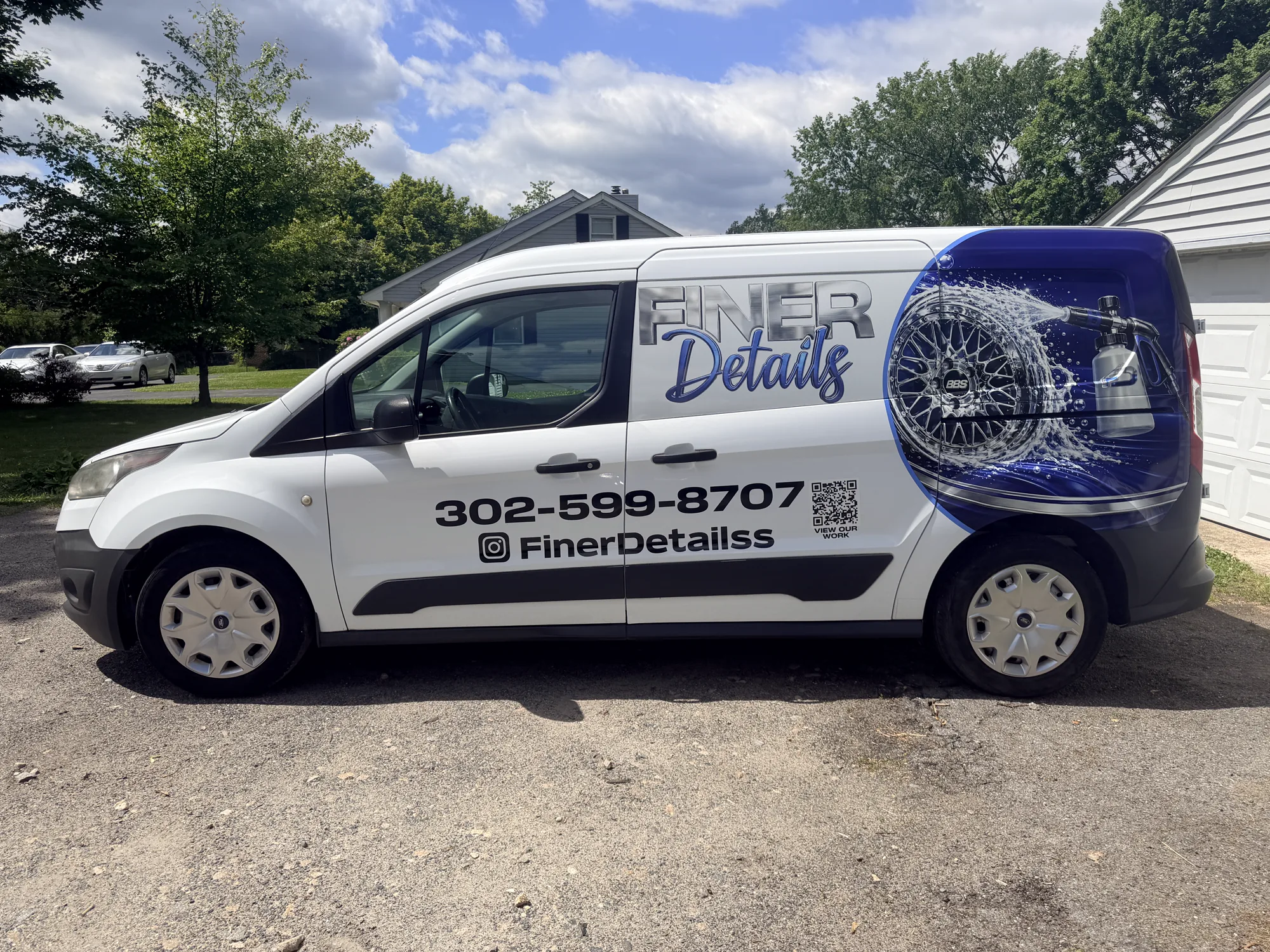
A commercial vehicle wrap is a multi-year branding investment, but there is no single lifespan that applies to every work truck, van and trailer. The useful answer depends on the film system, the surfaces covered, how the vehicle is stored and how it is maintained.
Do not treat a generic “five to seven years” claim as a warranty for your whole vehicle. Ask the installer what the proposed materials are expected to do on your particular vehicle, and which parts of the installation are covered by written warranty terms.
For a Delaware contractor, the practical question is whether the graphics will stay readable and presentable throughout the time you plan to use that vehicle.
Why vehicle-wrap lifespan varies
The brand name on a roll is only part of the specification. Printed commercial graphics also involve ink, a protective finish and the application itself. Keep the material information with your vehicle records so future maintenance and replacement decisions are based on what was installed.
Exposure matters too. In its wrap-film support guidance, 3M distinguishes vertical and horizontal exposure and lists different maximum warranty periods for its applicable wrap film. Those figures concern the specified product and conditions; they are not blanket coverage for every printed commercial wrap.
The takeaway for a buyer is straightforward: ask about the sides separately from the hood and roof. Also explain whether your work vehicle stays outdoors, parks under cover or regularly encounters dirt and contaminants.
If you are comparing a truck with a trailer, assess them separately. They may carry matching artwork while having different surfaces, use patterns and replacement needs.
Build a care routine your crew can follow
Ask for written washing instructions when you collect the vehicle. Keep a copy where anyone responsible for cleaning the truck can find it. A crew member should not have to guess whether the usual cleaner is suitable for the new graphics.
For applicable films, 3M recommends hand washing where possible and warns that brushes can scratch the film or lift its edges. Follow the waiting period and cleaning instructions for the exact film fitted to your vehicle, rather than borrowing a rule from a different wrap product. 3M’s care guidance is a useful starting point.
Avery Dennison’s vehicle-wrap maintenance bulletin also links premature deterioration to insufficient or incorrect maintenance. It calls for regular cleaning, prompt treatment of contaminants with compatible products, and assessment when the film’s appearance declines.
Turn that guidance into a simple business routine:
- Give one person responsibility for checking the graphics during vehicle cleaning.
- Keep the approved cleaner and written instructions together.
- Photograph a concern before experimenting with a stronger product.
- Ask the installer about unfamiliar stains or damage.
This creates a clear handoff between the person who approved the wrap and the people who use the vehicle every day.
Can you pressure wash a wrapped work truck?
Do not assume the pressure-washing method used on equipment is appropriate for the wrap. Film manufacturers specify limits and technique for their own products. Ask for the applicable instructions before using a pressure washer.
Door edges, seams and small lettering deserve particular attention during a visual check. If you notice a loose edge, do not make a cleaning experiment out of it. Send the installer a close-up photo and a wider view showing where it sits on the vehicle.
The same principle applies to coatings and spot cleaners. Avery Dennison advises checking product compatibility; a treatment suited to one film or laminate may not suit another. You do not need to become a materials specialist. You need the product information and a clear way to ask before applying something unfamiliar.
When should you repair or replace the graphics?
Use the condition of the graphics and the needs of the business together. A change of phone number or service offering can make perfectly intact graphics outdated. Damage may affect only one area, while a larger redesign may call for a coordinated replacement.
Ask for an assessment if you see lifting edges, cracking, discoloration or a noticeable decline in appearance. Avery Dennison recommends contacting the installer when graphics deteriorate or reach their intended service life. Avoid waiting for a worn wrap to become a removal problem.
Keep a dated photo of the vehicle after installation. It gives you a useful comparison during later checks and helps identify what changed. This is especially helpful when different employees drive the same truck.
Plan the wrap around how you use the vehicle
Tell us how long you expect to keep the truck or trailer, where it is parked and who cleans it. Those details belong in the project conversation alongside the logo and design.
Our vehicle-wrap service covers full and partial graphics, while fleet graphics can help coordinate several work vehicles. You can also see completed examples in the ZDS portfolio.
Request a quote with photos of your vehicle and a description of its working day. A useful wrap plan includes the design, the specified materials and a care routine your team can actually follow.
Get a Free Quote from ZeroDegree Signs
Serving Wilmington, Newark, Bear & all of New Castle County, DE.